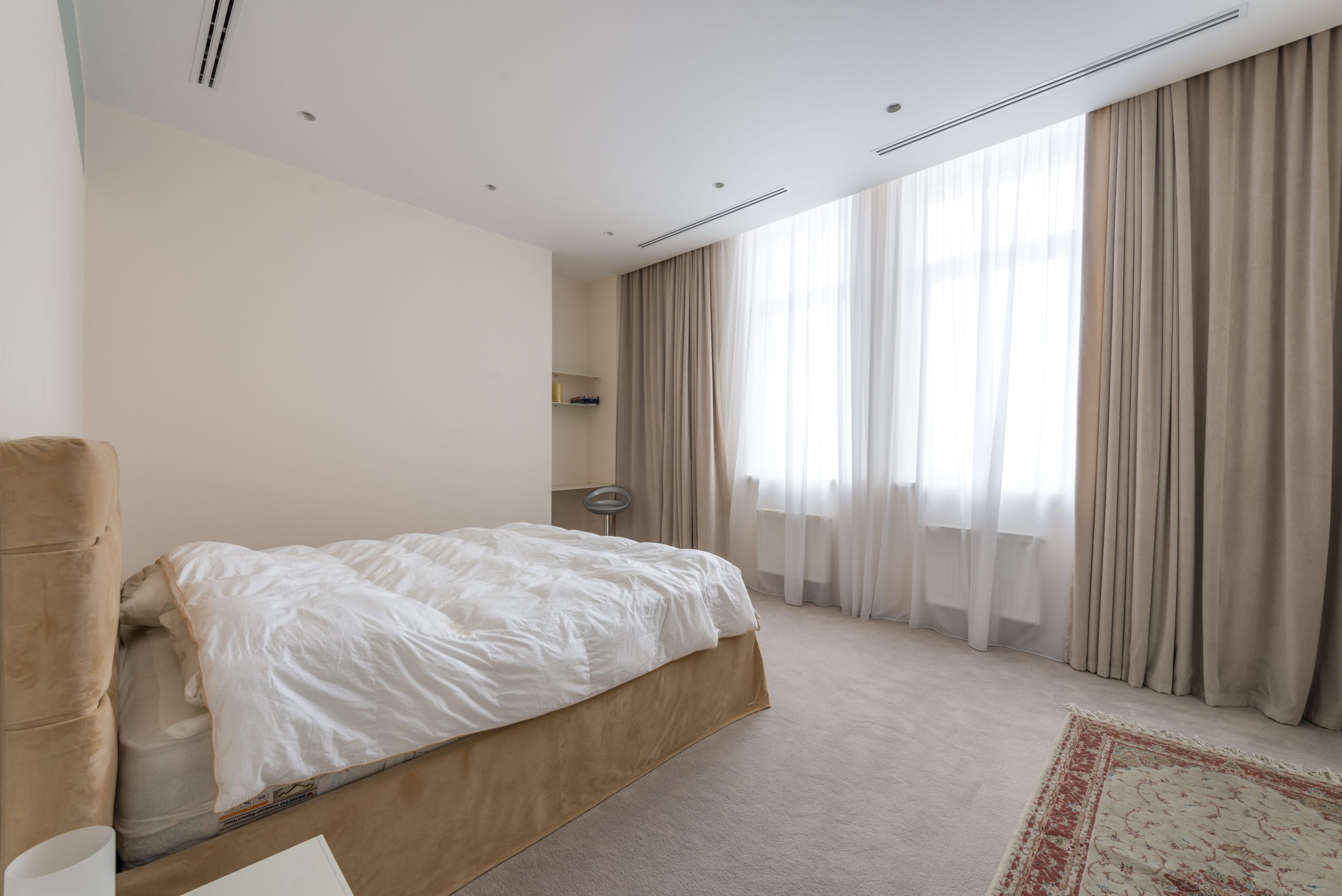
Carpet Installation in Utah: Costs, Padding and the Finished Basement
Carpet lost the main floor of the American house and it is not coming back. In Utah it kept something better: the basement, the stairs and the bedrooms — which in a state of large houses and large families is most of the square footage.
The basement is the Utah carpet story
The Wasatch Front builds full basements as a matter of course, and a large share of them are finished after the fact rather than by the builder — Layton and West Jordan especially. A basement is a concrete slab, and a slab is cold. Carpet and a good pad put an insulating layer between your feet and it, and no hard surface does that.
The caution is the same one that governs everything on a slab down there: carpet is organic, and carpet that gets wet and is not dried within a day or two becomes a problem you can smell before you can see. If the slab has never been tested, test it before the basement gets finished, not after.
Buy the pad first
This is the part most people get backwards. The pad determines how the carpet feels, how the seams hold and how long the fibers survive being crushed. A good carpet on a cheap pad wears out early and feels wrong from the first week; a mid-grade carpet on a proper pad outlasts it.
- Density matters more than thickness. An 8 lb density pad at 7/16 in is the general-purpose residential answer. Thicker and softer is not better — over 1/2 in lets the backing flex too much and breaks it down.
- On a basement slab, a moisture-barrier pad is worth the upgrade, and so is knowing what the slab reads.
- Stairs take a firmer pad than the rooms, so the nose of each tread keeps its shape. Utah’s split-entry housing has a lot of stairs.
Fiber, honestly
Nylon takes a crush and recovers, which is why it belongs in hallways and on stairs. Polyester is softer and cheaper and holds color well, but it mats in traffic lanes — in a bedroom that never matters, in a hall it always does. Triexta sits between them and resists staining well. Wool is excellent, expensive, and rarely the right call in a family house.
Utah has the largest average household size in the country, which is a genuine argument for paying attention to the traffic-lane question rather than treating it as marketing.
What it costs
Installed carpet in Utah generally runs $2 to $8 per square foot, including the pad and labor. Removing and disposing of the old floor is usually charged separately. Stairs are priced per step rather than by area, because a staircase takes several times the labor of the same square footage on the flat. The Wasatch Front sits on that statewide baseline — see carpet installation in Salt Lake City for the city’s own numbers and housing stock.
An estimate, not a quote. These are planning ranges for Utah, not a quote. What you actually pay depends on your rooms, your subfloor and the material you choose.
Where carpet is the wrong choice
- Entries and anywhere the outside comes in. Canyon dust and red southern Utah soil do not come out of a light carpet.
- Kitchens, bathrooms and laundry rooms. Obvious, occasionally still proposed.
- On top of original hardwood in a prewar Salt Lake City or Ogden house. It happened to a great many of them in the 1970s, and pulling it back up is one of the best-value projects in this state.
How long should carpet last?
Eight to twelve years in a bedroom, five to eight in a hallway or on stairs. If a carpet is matting in the traffic lanes after three years, the pad or the fiber was wrong for the location — not the installation.
Does a carpet installer need a Utah license?
No. Utah’s construction trades rule expressly exempts carpet installation as work that does not significantly affect public health, safety or welfare, alongside vinyl sheet, tile and plank. That is written into the rule rather than being a loophole, and an unlicensed carpet installer here is operating exactly as intended.
Is carpet a bad idea on a basement slab?
Not inherently, and it is what most finished Utah basements have. The conditions are what matter: a slab that tests dry, a moisture-barrier pad, and a plan for drying it quickly if something leaks. Where the slab is questionable, rigid-core vinyl is the safer surface.