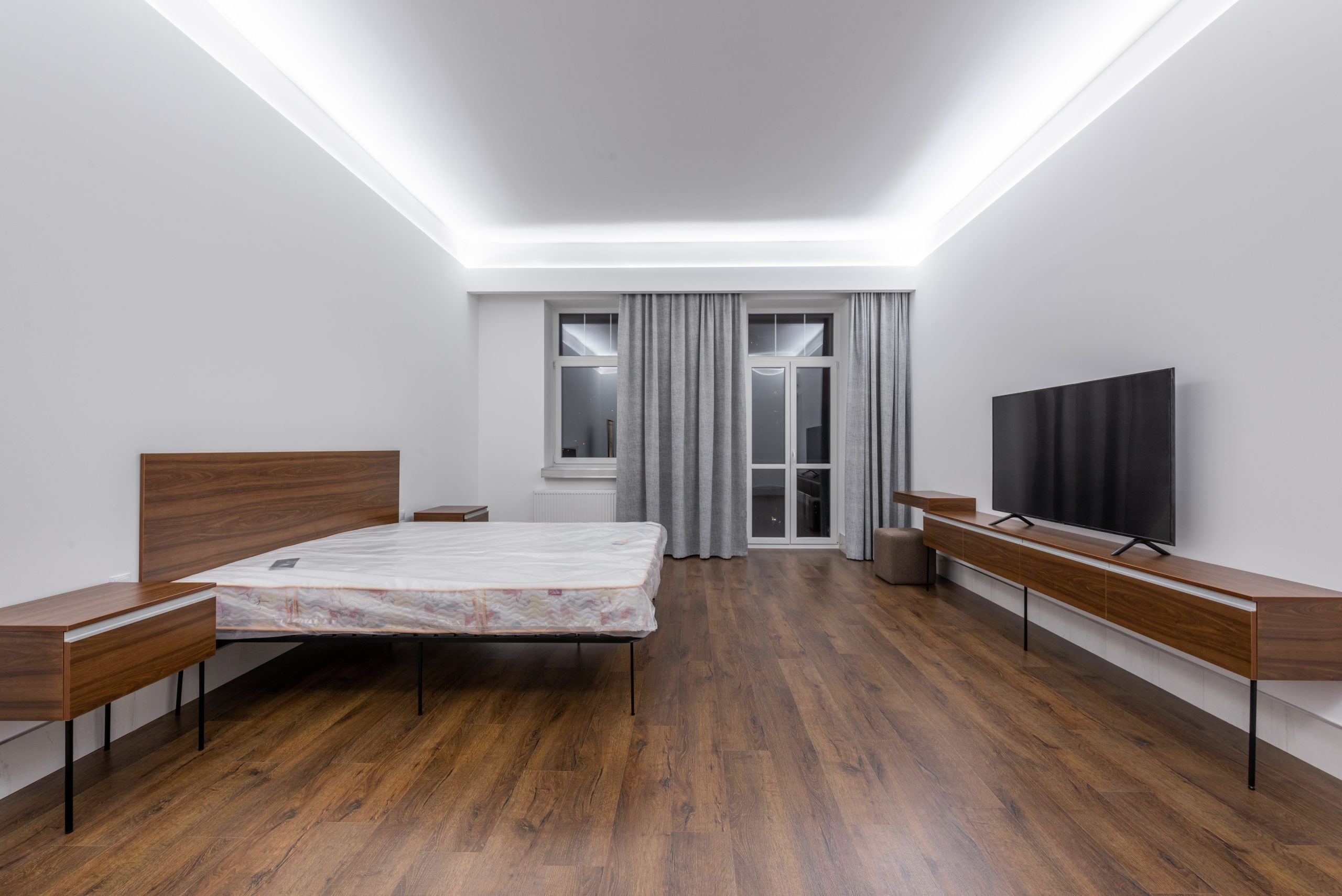
Luxury Vinyl Plank Flooring in West Valley City, Utah
What it costs, and what West Valley City's housing stock does to the job.
Luxury vinyl plank in a 1985-median city
The median West Valley City home was built in 1985 and 1.8% of the city’s housing predates 1940. For luxury vinyl plank specifically, that is not background color — it is the thing that decides the job.
A straightforward fit, and the basement is where most of it goes. On a slab that has been dry for thirty years the moisture question is settled, so the decision comes down to wear layer and how the room is used. Rigid core over the flattest substrate you can achieve; a dip in an older slab becomes a hollow spot you hear underfoot.
West Valley City is almost entirely postwar — under 2% of it predates 1940 against a 1985 median. Plywood subfloors and basement slabs poured decades ago and long since dry, which is the easiest starting point for a floor anywhere in this state. The constraint here is budget, not building.
What it costs in West Valley City
Salt Lake / Wasatch Front is the Utah labor baseline, so the range below matches the statewide $2–$12. Installed, materials and labor together:
| Work | West Valley City range | Utah range |
|---|---|---|
| Luxury vinyl plank, installed | $2 – $12 a square foot | $2 – $12 a square foot |
An estimate, not a quote. These are planning ranges for Utah, not a quote. What you actually pay depends on your rooms, your subfloor and the material you choose.
Extras are where a West Valley City job most often moves away from the band: removing the old floor, prepping a plank subfloor, and stairs. The cost estimator prices those separately against your own room.
Questions worth asking before you book
- What is the subfloor, and what does it need? 1.8% of West Valley City homes predate 1940 and the median build year is 1985, so plywood or OSB is the likelier answer here and a plank subfloor is the exception worth ruling out. How to identify yours.
- Is the old floor coming out or being covered? Covering costs less and is sometimes the safer answer, but it costs you height at doors and at the bottom stair riser.
- What is the cut-and-waste allowance? Ten percent is normal; older or irregular rooms take more, and cuts are labor.
- What did the slab read, and what did the boards read? An installer who measured both has told you more than a classification code could. What S220 covers, and what is exempt.